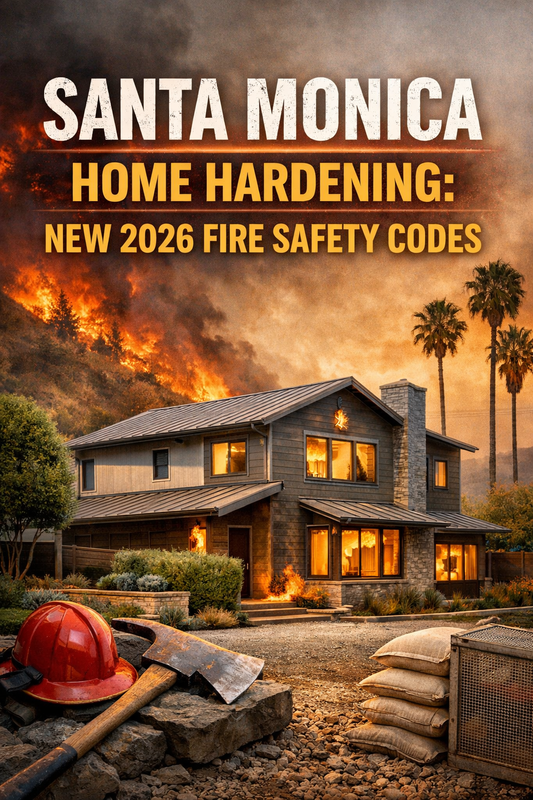
Living in Santa Monica provides an unique blend of coastal elegance and mountain proximity, but this geographic high-end features a details duty pertaining to environmental security. As we relocate via 2026, the conversation around domestic building has actually changed considerably towards strength. The neighborhood landscape, characterized by the completely dry Santa Ana winds and the dense greenery of the close-by canyons, needs a positive strategy to residential or commercial property security. Current updates to security requirements currently highlight an idea referred to as home solidifying, which focuses on making the physical structure of a home less vulnerable to ignition from flying ashes. These ashes can commonly traverse a mile from the cutting edge of a fire, making every home in the region a potential target despite its direct proximity to brush.
Understanding the Shift in 2026 Residential Standards
The most recent updates to the fire codes represent a comprehensive initiative to bridge the gap in between standard building methods and modern-day ecological demands. For property owners in Santa Monica, these changes are not just pointers yet are coming to be incorporated into the allowing procedure for brand-new builds and major improvements. Among the key focuses is the establishment of what specialists call Area Absolutely no. This is an ember resistant area that expands five feet from the actual edge of the house. In the past, several locals preferred lavish landscaping right approximately their foundation, yet the new 2026 criteria prioritize fireproof materials like crushed rock, stone, or pavers in this instant perimeter. By eliminating natural mulch and woody plants from this five foot barrier, you considerably reduce the possibility of a ground fire getting to the siding or vents of your home.
The Significance of Product Option for Exterior Surfaces
When it involves the actual covering of your home, the 2026 codes are really specific regarding the sorts of products that offer the highest degree of defense. Many older homes in the area attribute timber siding or roof shingles which, while visually pleasing, supply really little resistance to intense heat. The move toward building fire resistant homes involves making use of fiber concrete exterior siding, specialized stucco, or stonework. These materials do not just reduce the spread of flames; they stop the outside walls from sparking to begin with. The goal is to produce a continual fireproof barrier from the foundation right up to the roofline. This transition is particularly vital for homes that remain on the edge of the Santa Monica Hills where the surface can funnel warm and wind directly towards household roads.
Strengthening the Most Susceptible Entrance Factors
Vents and home windows are usually the weakest links in a home's defense system. During a wind driven event, embers are forced into attic spaces with typical vents, where they can spark insulation and architectural beam of lights from the inside out. The brand-new 2026 guidelines need the setup of specialized ash immune vents that feature a much finer mesh or interior baffles developed to block tiny triggers while still permitting appropriate air flow. Likewise, window requirements have actually been updated to mandate dual paned toughened up glass. Safety glass is dramatically extra durable to the thermal shock triggered by intense radiant heat. If a criterion home window fractures or shatters, it leaves the interior of the home entirely revealed, however solidified glass great site stays undamaged much longer, offering an important home window of safety and security for the framework.
Lessons from Regional Recuperation Efforts
Looking at exactly how various other close-by communities have actually managed recent ecological challenges gives a clear roadmap for Santa Monica citizens. For instance, the recurring Palisades fire rebuilding process has actually highlighted the efficiency of these contemporary hardening strategies. Houses that were built or retrofitted with fireproof eaves and boxed-in soffits revealed a much higher survival price compared to those with conventional open rafter building. When eaves are boxed in, it prevents hot gases and cinders from obtaining caught underneath the roof covering overhang. This basic architectural change is now a characteristic of accountable construction in the Westside area. It shows a growing understanding that structure for beauty have to go together with structure for durability and safety and security in the California climate.
Enhancing Roof Covering Stability and Seamless Gutter Security
The roof covering is the largest surface on any home and is one of the most likely place for cinders to land and gather. The 2026 codes strictly implement the use of Class A ranked roofing materials such as slate, floor tile, or high quality asphalt structure tiles. However, the material itself is just part of the formula. Property owners need to also guarantee that the spaces in between the roof deck and the covering are sealed to avoid ashes from gliding underneath the tiles. Rain gutters are an additional location of problem, as they commonly collect dry leaves and particles that function as kindling. Mounting fireproof steel gutter guards is now highly recommended to keep these channels clear. When a fire is nearby, a clean gutter system guarantees that a stray spark doesn't turn into a localized fire right at the edge of your roofline.
The Role of Professional Knowledge in Modern Building
Navigating these new regulations can be complex, especially when trying to balance modern aesthetic appeals with stringent safety compliance. Several residents find that partnering with a luxury home building company is the most efficient method to ensure their building meets every 2026 standard without sacrificing the high-end layout they anticipate. Specialist building contractors that focus on the Santa Monica and Westside markets are skilled in the nuances of the local municipal codes and the specific challenges postured by the seaside atmosphere. They can integrate fire resistant attributes right into the preliminary design stage, such as picking metal framed home windows or rock exterior accents that look gorgeous while offering an essential safety function. This proficiency is invaluable when dealing with the detailed permitting and inspection procedures required for seaside building today.
Safeguarding Device Structures and Perimeter Fence
The new safety criteria also expand beyond the main house to consist of decks, fences, and outhouses. Conventional wood fences often function as a fuse, leading a fire directly from the boundary of a home to the major structure. To minimize this risk, the 2026 codes recommend that the first five to 8 feet of any type of fencing attached to a residence ought to be made of noncombustible materials like metal or masonry. Decks are likewise being looked at, with a press toward using ignition resistant composite products or heavy lumber that is much less likely to stir up from below. Confining the space under a deck with fine metal mesh can protect against the accumulation of flammable debris and coal, further hardening the building against a moving fire front.
Future Proofing Your Santa Monica Investment
Buying these upgrades is not nearly following the law; it is about future proofing your home against the altering environment and the progressing insurance policy landscape. Many insurance companies are now checking out home solidifying procedures as a requirement for insurance coverage or as a means to identify premium rates. By carrying out these 2026 fire security codes now, you are essentially protecting the long term worth of your Santa Monica property. The satisfaction that includes recognizing your home is built to the highest feasible requirement of resilience is a significant advantage in a region where environmental recognition is part of everyday life. These aggressive actions make sure that your residential property continues to be a safe haven for several years ahead.
We invite you to follow our blog and return frequently for future updates on regional building fads and security policies in the Santa Monica area. Would certainly you like me to create a recap of the certain 2026 material needs for different home areas pointed out in the article?